
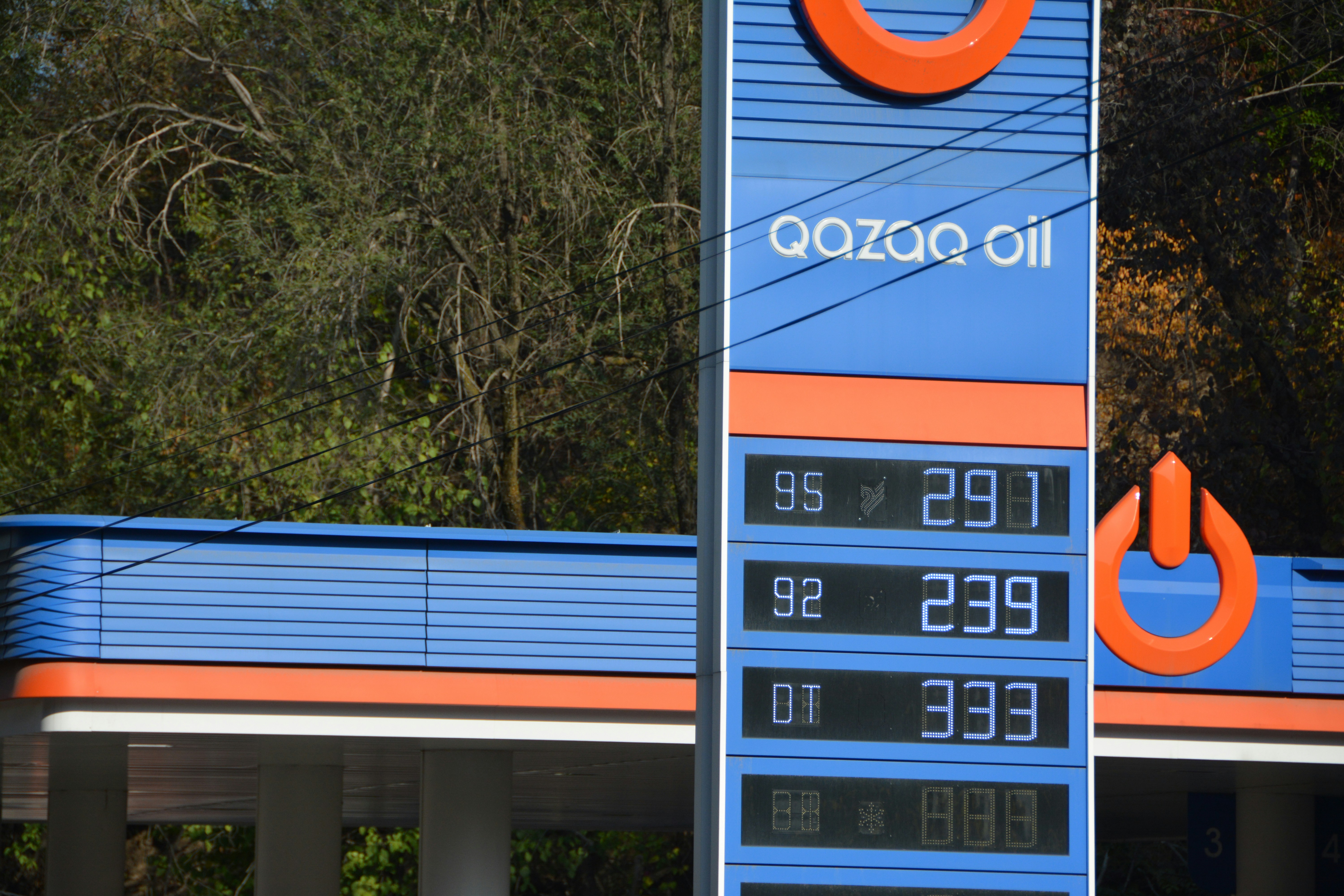
The global financial landscape has just been hit by a seismic shift. As the war with Iran intensifies and the Strait of Hormuz—a critical artery for 20% of the world's oil supply—remains closed, the markets are screaming one word: Inflation. For professional investors, fanpage administrators, and SME owners, the old playbooks are being shredded in real-time. We are no longer just looking at a price spike; we are witnessing a fundamental re-evaluation of how value is stored and moved in a volatile world.
The Entropy of Crisis: Why This Oil Shock is Different
At RWA Times, our Intelligence Engine has been running at full capacity to decode the current market chaos. When we analyze the current conflict, we don't just see headlines; we see High Entropy. In information theory, entropy represents uncertainty and novelty. The current situation scores exceptionally high on our Entropy Scale because it disrupts the long-standing assumption of cheap energy and stable logistics.
Historically, oil shocks lead to a "headline-driven" market. However, our Sentiment Analysis shows a deeper trend: a pivot toward Real-World Assets (RWA) that can act as a shield against the eroding purchasing power of the dollar. While core inflation might show signs of cooling, the headline increase driven by energy costs is a direct hit to the Store-of-Value mandate of traditional currencies.
The Stablecoin Paradox: Payments vs. Purchasing Power
For the past decade, the crypto industry has congratulated itself on solving the "payment problem" with stablecoins. Tokens like USDT and USDC have become the plumbing of the digital economy. But as Michael Ashton, co-founder of the USDi token, recently noted, we’ve only built half the system.
"Stablecoins solved the medium-of-exchange problem for crypto, but nobody solved the store-of-value problem," Ashton argues. A dollar-pegged stablecoin is still a dollar. If the dollar loses 5% of its value to inflation, your stablecoin loses 5% of its value too. For an SME owner holding treasury in digital assets, this is a silent tax that can destroy margins.
Enter USDi: The Tokenization of Inflation Protection
Our taxonomy at RWA Times classifies the new USDi token under Asset Types: Financial Instruments and Macro-Themes: Inflation Impact. This isn't just another coin; it's a blockchain-native version of Treasury Inflation-Protected Securities (TIPS), but without the interest-rate sensitivity that often plagues traditional bonds.
How does it work?
- CPI Tracking: The token’s value is designed to increase in line with the U.S. Consumer Price Index.
- Reserve Strategy: The reserves are managed in the Enduring U.S. Inflation Tracking Fund, utilizing a mix of TIPS, Treasury debt, and commodity futures.
- Programmable Hedging: Unlike traditional finance, the USDi architecture allows for Customizable Inflation Exposure.
Imagine a future where a business can hedge against specific inflationary pressures. A healthcare provider could hold a variant of USDi that tracks medical cost inflation. A university endowment could track tuition inflation. This is the Asset Tokenization Revolution in its most practical form—turning abstract risks into tradable, liquid assets.
Market Sentiment and Capital Flows
Our Uncertainty Score for the broader market remains elevated, which typically precedes a flight to "Hard Assets." However, the "Hard Assets" of 2026 are no longer just gold bars and oil drums; they are tokenized contracts. We are seeing institutional capital move away from speculative altcoins and toward Asset-Backed Tokens that offer transparency via Proof of Reserve (PoR).
As banks retreat from trade finance due to geopolitical risks, non-bank lenders are stepping in. At RWA Times, we’ve tracked a significant increase in the usage of stablecoins for commodity settlement in Europe. This "debanking" trend is forcing a fast-track adoption of RWA infrastructure, out of necessity rather than choice.
The RWA Times Perspective: Navigating the Noise
For the SME owner or the portfolio manager, the signal in the noise is clear: Volatility is the new baseline. Using the RWA Times Intelligence Engine, we’ve identified three key trends to watch in the coming quarter:
- Increased Demand for Inflation-Linked Yield: As energy costs bake into the supply chain, nominal yields of 3.5% will no longer satisfy institutional appetites.
- Regulatory Focus on Stablecoin Reserves: Expect the SEC and MiCA to look closer at what "stable" actually means when purchasing power is declining.
- The Rise of Private Credit RWAs: With traditional banks tightening their belts, on-chain private credit will provide the liquidity needed for trade finance.
RWA Times remains your primary resource for decoding these shifts. Our 40-topic taxonomy ensures that you aren't just reading the news—you are analyzing the architecture of the new financial system. Whether it's the impact of tariffs on trade finance or the nuances of ERC-3643 standards, we provide the structured data you need to stay ahead.
The war in the Middle East is a tragedy, but it is also a catalyst. It is exposing the cracks in our old monetary system and accelerating the build-out of a more resilient, tokenized future. Stay informed, stay structured, and let RWA Times guide your capital through the entropy.
Disclaimer: Parts of this analysis were generated with the assistance of the RWA Times Intelligence Engine and reviewed by our editorial team to ensure accuracy. This is not financial advice.
No comments:
Post a Comment